The Future of Smart Tech in Everyday Life
Introduction
Smart technology has become one of the most important parts of modern living. From smartphones and smartwatches to intelligent home systems and AI-powered assistants, technology is now deeply connected to daily routines. People use smart devices to communicate, work, study, shop, travel, and even manage their health. As innovation continues to grow, smart technology is expected to become even more advanced in the coming years.
The future of smart tech promises greater convenience, improved efficiency, and more personalized experiences. Devices are becoming faster, more intelligent, and more connected than ever before. Homes can now automatically adjust lighting and temperature, cars can assist drivers with safety features, and wearable devices can track important health information in real time. These advancements are changing the way society functions.
This article explores how smart technology is shaping everyday life and what people can expect in the future.
Smart Homes Becoming More Intelligent
One of the biggest developments in smart technology is the rise of smart homes. Modern households now use devices that can be controlled through mobile apps or voice commands. Smart speakers, security systems, lights, and appliances are becoming common in many homes around the world.
In the future, smart homes will become even more automated. Artificial intelligence will learn the habits and preferences of users to provide better comfort and efficiency. For example, a smart home system may automatically prepare the house for bedtime by turning off lights, adjusting room temperature, and locking doors.
Energy management will also improve significantly. Smart systems will monitor electricity usage and help homeowners reduce energy waste. This can lower utility bills while also helping the environment. Smart refrigerators may even suggest grocery items when supplies are running low.
As technology improves, smart homes will likely become more affordable and accessible for families everywhere.
The Growth of Wearable Technology
Wearable technology has already gained popularity through devices like fitness trackers and smartwatches. These devices help users monitor steps, heart rate, sleep patterns, and physical activity. In the future, wearable tech will play an even larger role in healthcare and daily life.
Advanced wearable devices may detect health problems before symptoms become serious. For example, future smartwatches could identify signs of stress, irregular heart activity, or low oxygen levels instantly. This can help people seek medical attention earlier and improve overall health management.
Smart glasses are also expected to become more common. These devices may provide navigation, translation, and real-time information directly in front of the user’s eyes. Students, workers, and travelers could benefit greatly from this technology.
Wearable technology may also improve communication. Instead of relying entirely on smartphones, people could use smaller and more efficient devices for messaging, calls, and virtual interaction.
Artificial Intelligence in Daily Activities
Artificial intelligence is becoming a major part of modern technology. AI systems are designed to learn from data and make decisions that improve user experiences. Many people already interact with AI through digital assistants, recommendation systems, and automated customer service.
In the future, AI will become more integrated into daily activities. Virtual assistants may handle schedules, manage appointments, and organize tasks more effectively. AI could also improve productivity in workplaces by automating repetitive tasks and analyzing information quickly.
Education will also benefit from AI technology. Students may receive personalized learning experiences based on their strengths and weaknesses. Online learning systems can adapt lessons to match each learner’s pace and style.
In healthcare, AI may assist doctors in diagnosing diseases and creating treatment plans. Faster analysis of medical data can improve patient care and reduce human error.
Although AI offers many advantages, it is also important to use it responsibly. Privacy, security, and ethical concerns will continue to be important topics as technology advances.
Smarter Transportation Systems
Transportation technology is changing rapidly. Smart vehicles and intelligent transportation systems are expected to transform travel in the future. Electric vehicles are becoming more popular because they reduce pollution and fuel costs. Many companies are also developing self-driving cars.
Self-driving technology could improve road safety by reducing accidents caused by human error. These vehicles use sensors, cameras, and AI systems to navigate roads and respond to traffic conditions. Although fully autonomous cars are still developing, they may become a normal part of transportation in the future.
Public transportation systems may also become smarter. Cities can use connected technology to monitor traffic flow, reduce congestion, and improve travel efficiency. Smart traffic lights and real-time navigation systems can help save time for commuters.
Ride-sharing and mobility services are expected to grow as well. Instead of owning multiple vehicles, many people may rely on shared transportation systems supported by smart technology.
Smart Technology in Healthcare
Healthcare is one of the industries that benefits the most from smart technology. Digital health tools are making medical services more efficient and accessible. Telemedicine allows patients to consult doctors remotely, reducing travel time and improving convenience.
In the future, hospitals may use advanced robotics and AI systems to assist with surgeries and patient care. Smart monitoring devices can track patient conditions continuously and alert healthcare professionals when immediate attention is needed.
Medical research may also improve with the help of data analysis and machine learning. Scientists can study diseases more efficiently and develop better treatments faster than before.
Smart health technology can also support elderly individuals. Devices that monitor movement, medication schedules, and emergency situations can help seniors live more independently and safely.
As healthcare technology continues to evolve, people may enjoy longer and healthier lives with better access to medical support.
The Role of Smart Tech in Education
Education is changing because of digital innovation. Smart technology is making learning more interactive and flexible for students around the world. Online classes, educational apps, and virtual classrooms have already become common.
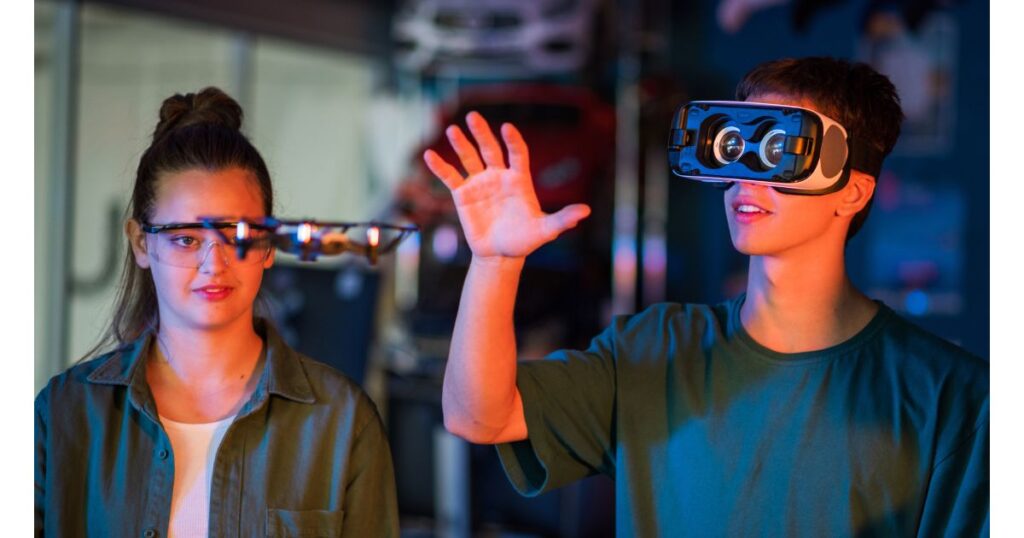
In the future, virtual reality and augmented reality may become powerful educational tools. Students could explore historical events, scientific experiments, or distant locations through immersive digital experiences.
Teachers may use smart systems to track student progress and identify areas where additional support is needed. Personalized learning can help students improve their understanding and confidence.
Remote education will also continue to grow. Students from different countries may access high-quality educational resources without needing to travel. This can create more equal learning opportunities globally.
Technology will not replace teachers, but it can support them by improving communication, engagement, and access to information.
Challenges of Smart Technology
Despite the many advantages, smart technology also creates challenges. Privacy and cybersecurity are major concerns because connected devices collect large amounts of personal data. Companies and governments must ensure that user information is protected from misuse.
Another challenge is the digital divide. Not everyone has equal access to advanced technology or high-speed internet. This can create inequalities in education, work opportunities, and communication.
Job automation is another issue that may affect workers in certain industries. While technology creates new opportunities, some traditional jobs may disappear because of automation. Training and education will be important to help workers adapt to changing industries.
People must also maintain a healthy balance between technology use and personal well-being. Excessive screen time and dependence on devices can impact mental and physical health.
Conclusion
The future of smart technology in everyday life is full of possibilities. From intelligent homes and wearable devices to AI systems and smart transportation, technology is transforming how people live, work, and communicate. These innovations can improve convenience, safety, healthcare, education, and productivity.
At the same time, society must address challenges related to privacy, accessibility, and responsible technology use. Smart technology should be developed in ways that benefit people while protecting their rights and well-being.
As innovation continues to move forward, smart tech will likely become even more connected to daily life. The future promises a world where technology supports human needs more efficiently and creates new opportunities for growth and progress.
I prefer this response